Acupuncture for women's health
Pasadena
Balancing hormones naturally
For thousands of years Chinese Medicine & acupuncture have been used to enhance wellness, improve sexual balance, appease menstrual cycles, & regulate hormones throughout all life's transitions.
We treat:
Other conditions like Pelvic Pain, chronic UTI or yeast infections, low libido and more.


Acupuncture for PCOS - PMOS
Polyendocrine Metabolic Ovarian Syndrome
PCOS (recently renamed PMOS) is the most common hormonal condition affecting women of reproductive age, yet most patients leave their gynecologist's office with a birth control prescription and instructions to lose weight.
Neither addresses the underlying hormonal dysregulation.
PCOS is not a single disease. It presents in several distinct patterns
-
some women have elevated androgens and excess hair growth
-
others have insulin resistance and weight gain
-
others have the cystic ovary appearance on ultrasound but normal bloodwork.
What they share is disrupted follicular development and irregular or absent ovulation.
Acupuncture and Chinese medicine treat PCOS by addressing the specific pattern present in each patient. The mechanisms that have the most research support include improved insulin sensitivity, reduced LH:FSH ratio (which drives androgen excess), regulation of the HPO axis, and restored ovulatory frequency.
What treatment looks like at Taproot:
-
weekly or biweekly acupuncture during the first three months
-
Chinese herbal formula matched to your PCOS subtype (lean PCOS, insulin-resistant PCOS, and adrenal PCOS each require different approaches)
-
nutritional guidance focused on blood sugar regulation.
For PCOS patients trying to conceive, acupuncture is particularly valuable because it restores ovulation without the risks associated with ovulation-induction drugs.
Over a three-to-six month period, regular treatment reduces symptoms like
-
irregular cycles
-
acne
-
hair loss
-
mood instability
Endometriosis affects roughly one in ten women and takes an average of seven to ten years to diagnose. In that window, most patients are told their pain is normal, prescribed the pill, or dismissed entirely.
The condition involves endometrial-like tissue growing outside the uterus: most commonly on the ovaries, fallopian tubes, and pelvic lining,creating a cycle of inflammation, adhesion, and pain that intensifies with each menstrual cycle.
Acupuncture does not remove lesions. What it does consistently in clinical practice:
-
reduces the severity of period pain
-
decreases systemic inflammation
-
improves pelvic circulation
-
modulates the immune response involved in lesion growth
-
significantly reduces the anxiety and nervous system activation that amplifies pain signaling.
For endometriosis patients, results are cumulative.
The first two to three cycles of treatment typically produce moderate pain reduction.
By months four through six, most patients report a meaningful decrease in the number of days of severe pain per cycle and reduced reliance on NSAIDs or opioids.
For patients with endometriosis who are also trying to conceive, acupuncture addresses both the pain pattern and the implantation environment simultaneously.
Endometriosis-associated infertility has a specific treatment approach at Taproot that differs from standard fertility protocols.

Acupuncture for Endometriosis

Acupuncture for Perimenopause
Perimenopause begins, on average, four to six years before the final menstrual period. Most women are in their mid-to-late forties when symptoms begin, though early perimenopause in the late thirties is increasingly common.
The symptom picture is wide:
-
irregular cycles
-
hot flashes & night sweats
-
sleep disruption
-
mood instability
-
brain fog
-
joint pain
-
vaginal dryness & decreased libido
-
hair thinning.
Not every woman experiences all of these. Many experience several simultaneously with no coherent treatment offered beyond HRT.
Chinese medicine categorizes perimenopause as a kidney yin and yang deficiency pattern, with secondary involvement of the liver and heart systems. This framework is clinically useful because it explains why the symptoms cluster the way they do and points toward specific treatment strategies for each presentation.
Acupuncture for perimenopause is well-researched specifically for vasomotor symptoms: hot flashes and night sweats.
Multiple controlled trials show meaningful reduction in frequency and severity.
Brain fog, sleep disruption, and mood instability respond well to treatment but take longer, typically eight to twelve weeks of consistent care.
At Taproot, perimenopause treatment combines acupuncture with Chinese herbal formulas that have been used for menopausal transition for centuries.
We do not position acupuncture as a replacement for HRT when HRT is indicated and appropriate. We position it as an effective standalone option for women who cannot or choose not to use HRT, and as a complement for women who are on HRT but still symptomatic.
Painful periods are not normal. They are common, but common and normal are not the same thing.
A menstrual cycle that requires you to cancel plans, take prescription pain medication, or spend days in bed is a signal that something in the system needs addressing.
In Chinese medicine, menstrual pain falls into two broad categories:
-
excess patterns (blood stagnation, cold obstruction, qi stagnation)
-
deficiency patterns (insufficient blood or qi to nourish the uterus).
Each requires a different treatment approach. Treating a deficiency pattern with the same herbs used for a stagnation pattern worsens the condition and this is why individualized diagnosis matters.
Acupuncture for painful periods works through several mechanisms:
-
it reduces uterine prostaglandin production (the primary driver of menstrual cramping)
-
improves blood flow through the pelvis
-
reduces referred pain through neuromodulation
-
addresses the underlying hormonal or structural cause where possible.
Results for primary dysmenorrhea (painful periods with no structural cause) are typically faster than for secondary dysmenorrhea (pain caused by endometriosis, fibroids, or adenomyosis).
Most patients with primary dysmenorrhea notice improvement within two to three cycles.
Irregular cycles, whether long, short, skipped, or unpredictable, are treated by identifying and correcting the specific phase of the cycle that is dysregulated.
Chinese medicine divides the cycle into four phases and treats each one differently. This level of specificity is what produces cycle regulation over time.
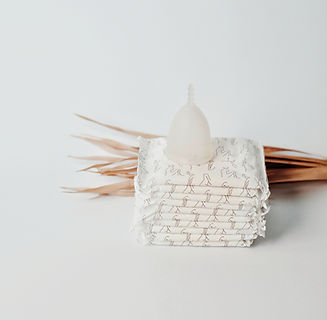
Acupuncture for Painful Periods & Irregularity

Other Conditions Treated
Beyond the four primary areas above, Taproot treats the following women's health conditions:
PMS and premenstrual mood changes
irritability, depression, anxiety, and breast tenderness in the week before menstruation respond well to acupuncture and herbal medicine.
Amenorrhea
absent periods following cessation of oral contraceptives, stress, athletic training, or low body weight.
Hormonal migraines
migraines that occur predictably around ovulation or menstruation have a specific treatment protocol in Chinese medicine that reduces frequency and severity.
Hypothyroid and Hashimoto's
Acupuncture does not replace thyroid medication, but it addresses the fatigue, cold sensitivity, weight management difficulty, and mood symptoms that persist even when TSH is in range.
Vaginal dryness and low libido
Treated as kidney yin deficiency in Chinese medicine, these symptoms respond to herbal formulas and acupuncture over a two-to-three month period.
Vulvodynia and pelvic pain
Chronic pelvic pain and vulvodynia require a patient-specific approach combining acupuncture, herbal medicine, and coordination with pelvic floor physical therapy when indicated.
Chronic UTI and yeast infections
recurrent infections are treated by addressing the underlying terrain (dampness and heat in Chinese medicine) rather than waiting for the next infection.
FAQ
1 / How long does it take to see results for hormonal conditions?
Cycle-dependent conditions (like painful periods, PMS, irregular cycles) take two to four cycles to show clear improvement. This is because each cycle is a complete biological event and acupuncture works by shifting the conditions that produce each cycle.
Perimenopause symptoms, particularly hot flashes, often show faster response, usually four to eight weeks.
PCOS and endometriosis take longer; expect three to six months for significant change.
2/ Do I need to stop taking the pill or hormonal birth control before starting?
No. Acupuncture can be done alongside any hormonal medication. If your goal is eventually coming off the pill and regulating your natural cycle, that transition is something we can plan and support — but stopping birth control is not a prerequisite for starting treatment.
3 / Can acupuncture help if I have already had surgery for endometriosis?
Yes. Post-surgical acupuncture is appropriate and beneficial. Surgery removes existing lesions but does not address the inflammatory environment that drives regrowth. Acupuncture and herbal medicine are used post-operatively to reduce recurrence risk, support recovery, and manage residual pain.
4 / I have PCOS and I'm not trying to get pregnant. Is acupuncture still relevant?
Fully. PCOS management for cycle regulation, metabolic health, acne, hair loss, and mood stability is a primary use of acupuncture in Chinese medicine independent of fertility goals.
5/ How often do I need to come in?
For active hormonal conditions, weekly treatment for the first two to three months produces the fastest results. Once the pattern stabilizes, most patients shift to biweekly and then monthly maintenance.
Irregular or infrequent treatment produces inconsistent results.
Frequency matters particularly in the early phase.
6 / Does insurance cover women's health acupuncture?
Many plans that cover acupuncture do not restrict coverage to specific conditions. Check your plan details or use our insurance verification page to confirm your benefits.